Counties where the most opioids are dispensed in Colorado

Canva
Counties where the most opioids are dispensed in Colorado
When Purdue Pharma first began sales of OxyContin in the late 1990s, it was advertised as relief for cancer patients and people with chronic pain. Aggressive marketing fueled the drug’s popularity, along with that of other opioid pain management drugs on the market. But as the company touted OxyContin to physicians, it downplayed the drug’s addictiveness, according to confidential Justice Department reports obtained by news organizations, leading to widespread use that has fueled an opioid epidemic across the U.S.
More than 645,000 people have died from opioid-related overdoses between 1999 and 2021, according to the Centers for Disease Control and Prevention. Provisional data shows just under 80,000 people died in 2022 alone.
Opioid prescriptions have decreased dramatically over the past decade as physicians and public health officials learned about the dangers of OxyContin and other opioids prescribed for pain management. In 2020, the most recent year with data available, the national opioid dispense rate reached 43.3 per 100 people, the lowest rate ever recorded.
A 2022 study funded by the National Institute on Drug Abuse found that counties with higher dispensing rates had more cases of opioid misuse and dependence. The study suggested that reducing prescriptions at the local level can lower a community’s rate of opioid abuse or misuse.
Other studies, however, have suggested that decreasing prescriptions may have fueled a new phase of the opioid epidemic: the rise of synthetics like fentanyl. In 2020, synthetics accounted for 82% of all opioid deaths.
It’s also important to note that, as awareness has grown about the dangers of dispensing opioid prescription painkillers, more health care professionals are also prescribing medications like Suboxone–which contains buprenorphine and naloxone—for the treatment of addiction and opioid use disorders. While Suboxone is also an opioid medication, it works differently than typical opioid painkillers, blocking the effects of more powerful and addictive opioids to deter intentional misuse.
Using data from the Centers for Disease Control and Prevention, Ophelia broke down counties in every state with the highest opioid dispense rates. In the case of a tie, the county with the higher population and higher raw number is ranked higher. Data was available for 98% of counties in the United States. Overall in Colorado, the opioid dispensing rate was 37.5 per 100 people, compared to 43.3 nationally.
Read the national story for additional historical context and see where other counties outside of Colorado stand.
Canva
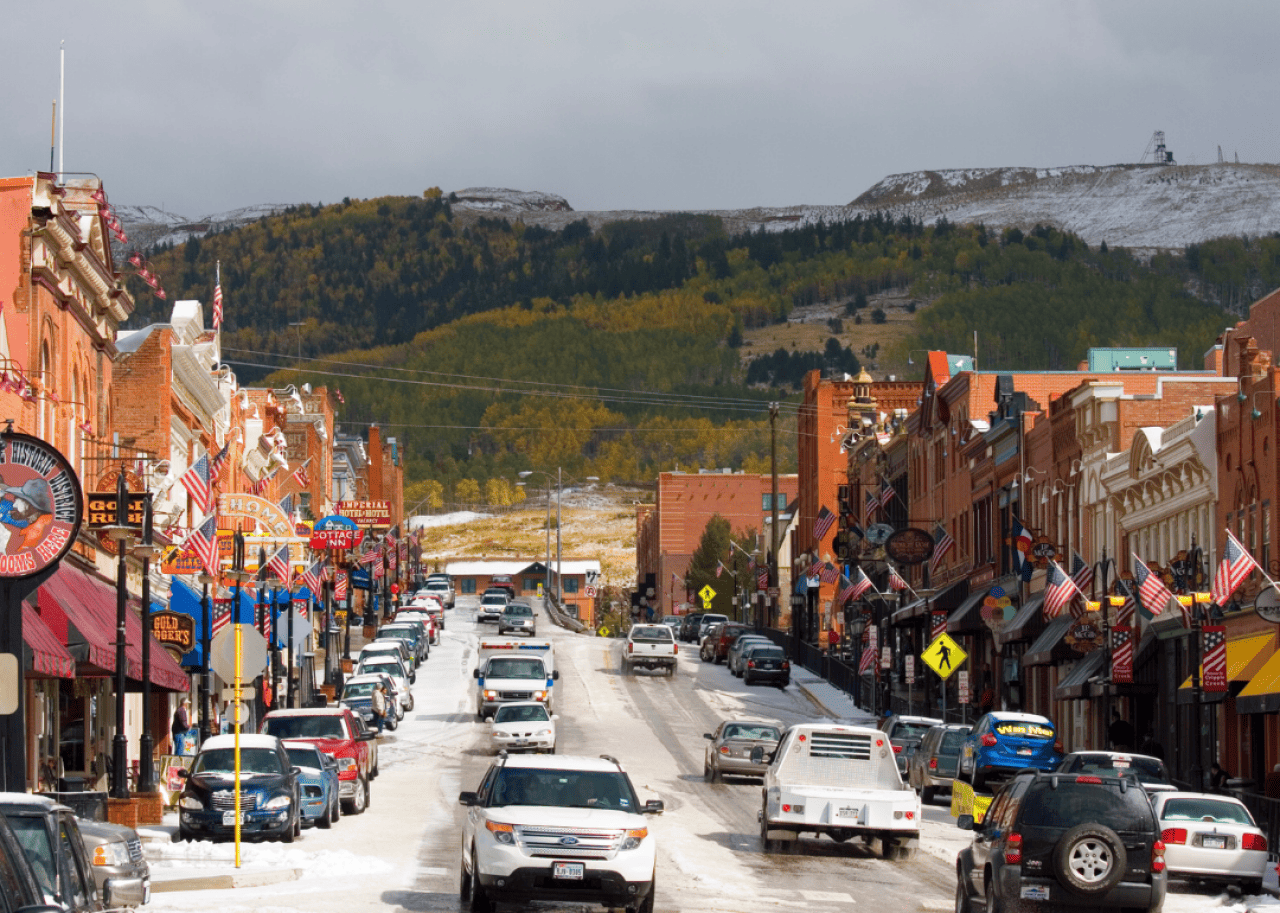
#50. Teller County
– Opioid dispensing rate: 15.2 per 100 people
— 59.5% lower than state average
— 64.9% lower than national average

Canva
#49. Ouray County
– Opioid dispensing rate: 15.9 per 100 people
— 57.6% lower than state average
— 63.3% lower than national average
Canva
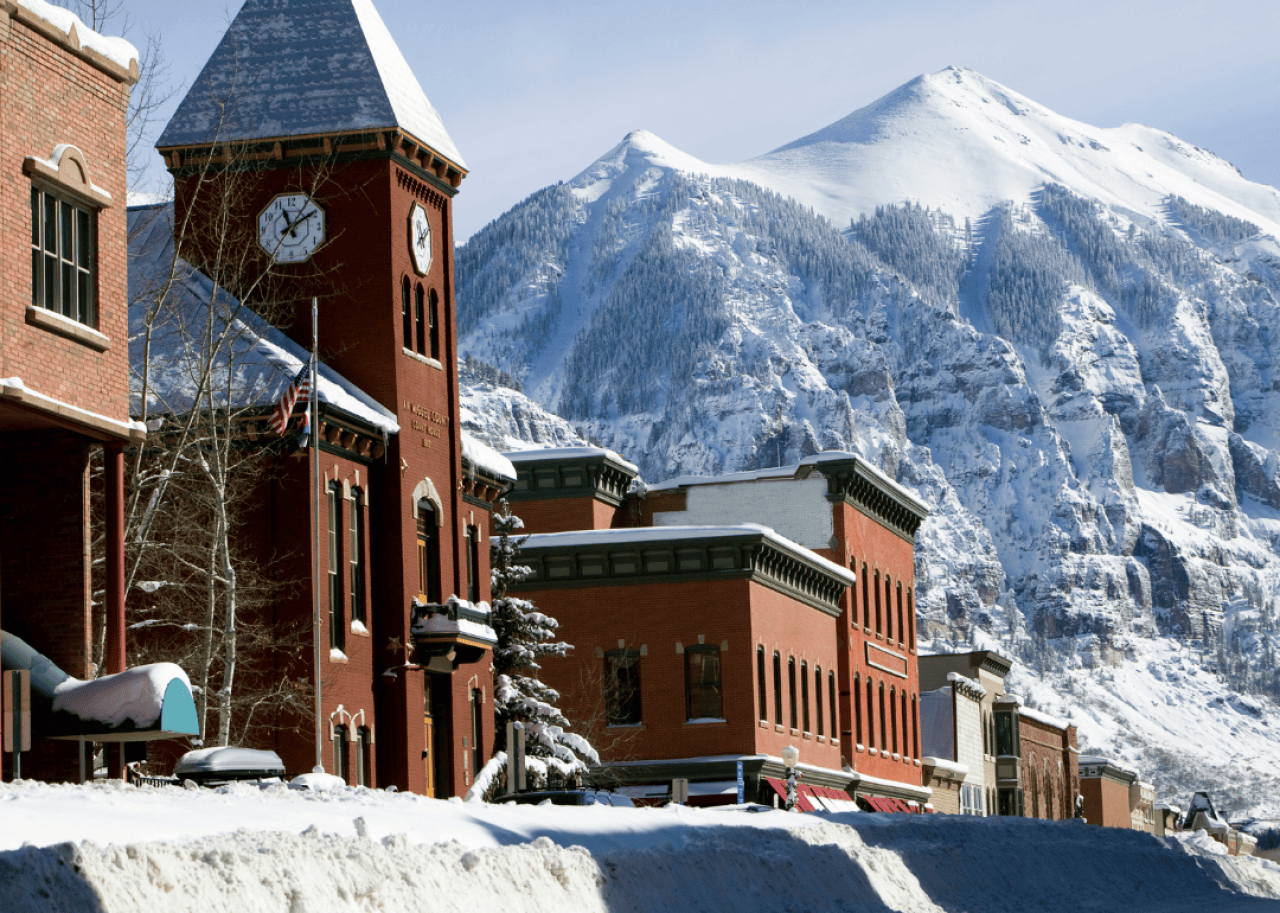
#48. San Miguel County
– Opioid dispensing rate: 16.7 per 100 people
— 55.5% lower than state average
— 61.4% lower than national average

Canva
#47. Hinsdale County
– Opioid dispensing rate: 17.1 per 100 people
— 54.4% lower than state average
— 60.5% lower than national average

Canva
#46. Lincoln County
– Opioid dispensing rate: 18.5 per 100 people
— 50.7% lower than state average
— 57.3% lower than national average

Canva
#45. Gunnison County
– Opioid dispensing rate: 21.0 per 100 people
— 44.0% lower than state average
— 51.5% lower than national average

Canva
#44. Prowers County
– Opioid dispensing rate: 21.5 per 100 people
— 42.7% lower than state average
— 50.3% lower than national average
Canva
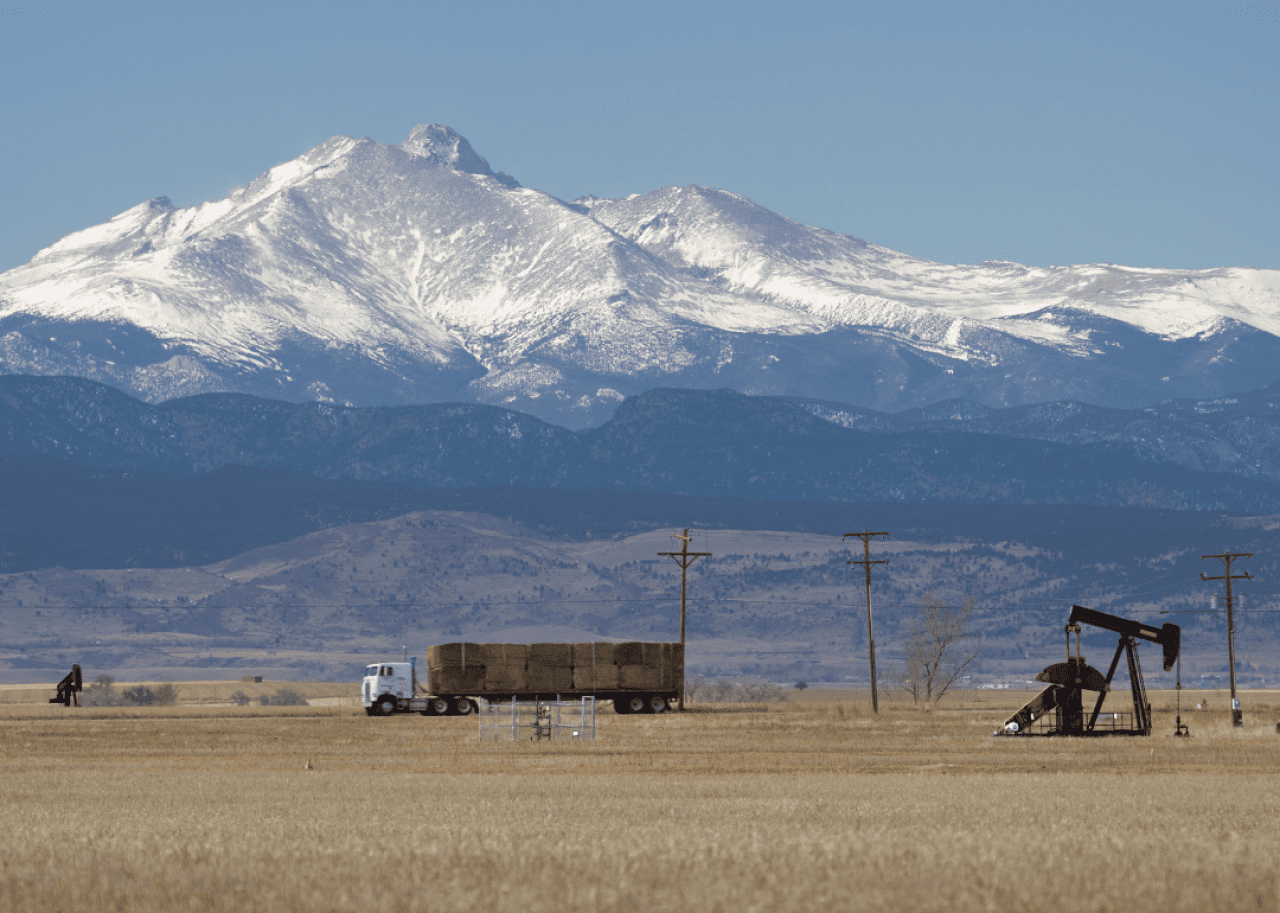
#43. Weld County
– Opioid dispensing rate: 22.3 per 100 people
— 40.5% lower than state average
— 48.5% lower than national average

Canva
#42. Kit Carson County
– Opioid dispensing rate: 24.3 per 100 people
— 35.2% lower than state average
— 43.9% lower than national average

Canva
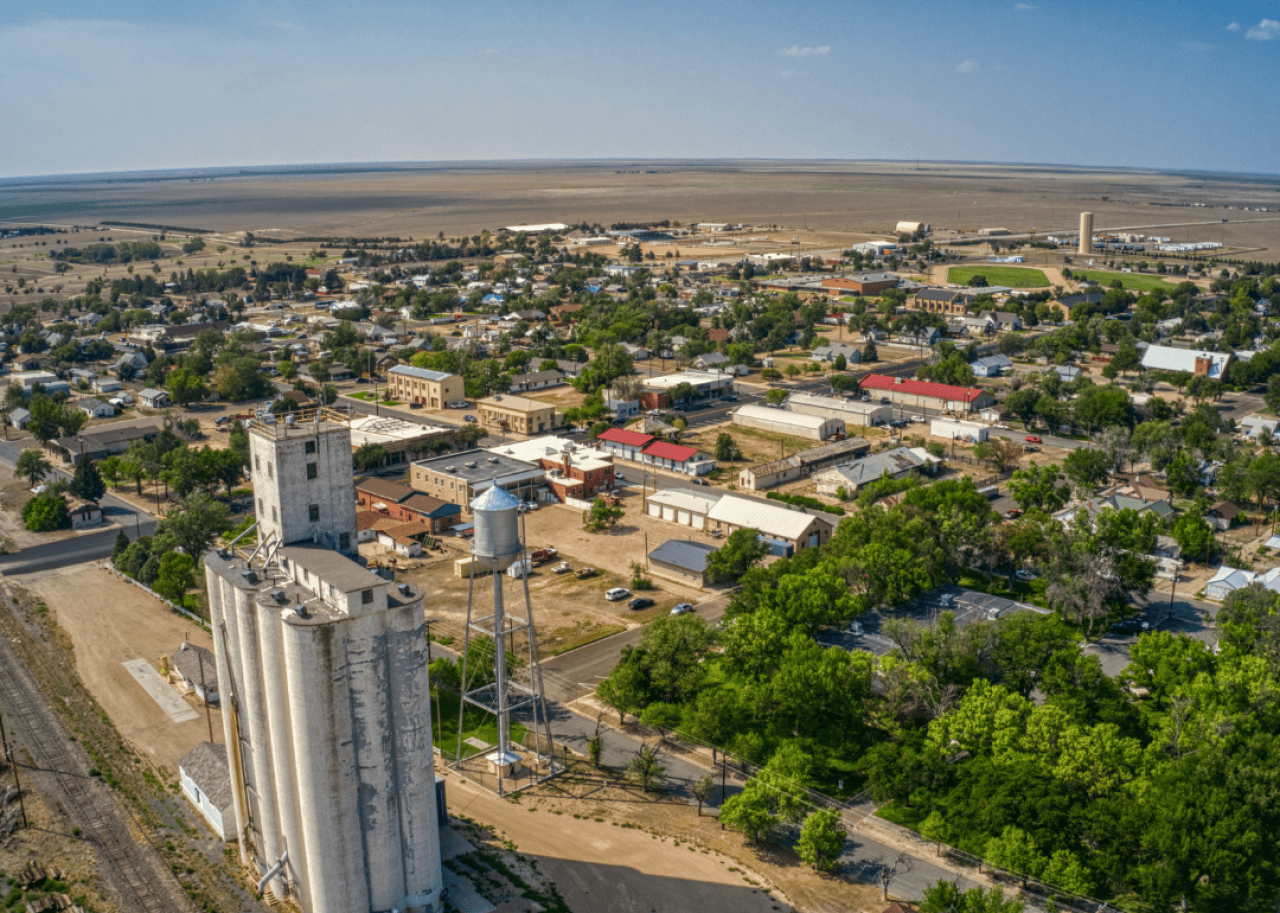
#41. Morgan County
– Opioid dispensing rate: 25.0 per 100 people
— 33.3% lower than state average
— 42.3% lower than national average
Jacob Boomsma // Shutterstock
#40. Kiowa County
– Opioid dispensing rate: 25.4 per 100 people
— 32.3% lower than state average
— 41.3% lower than national average
Canva
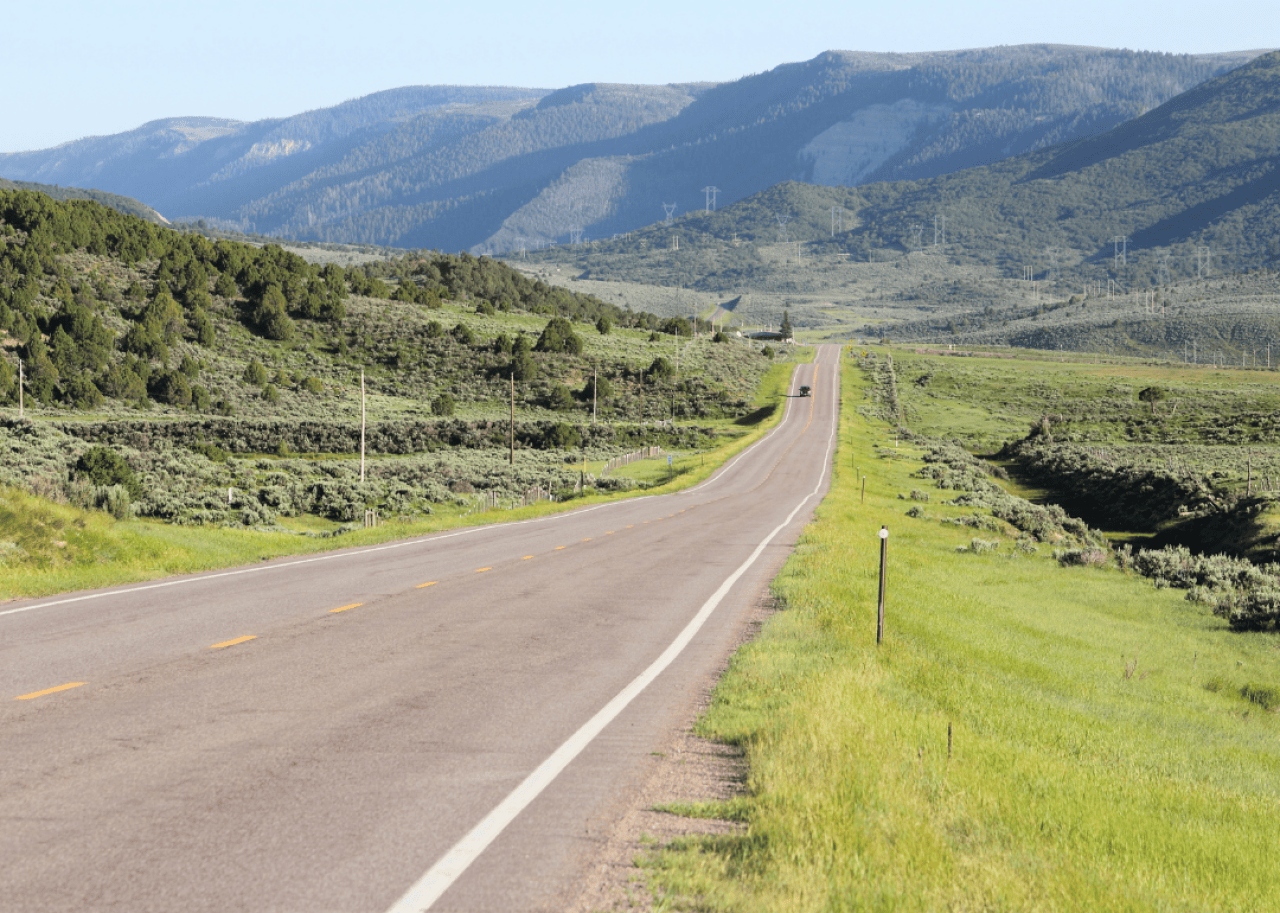
#39. Rio Blanco County
– Opioid dispensing rate: 25.4 per 100 people
— 32.3% lower than state average
— 41.3% lower than national average

Canva
#38. Douglas County
– Opioid dispensing rate: 26.8 per 100 people
— 28.5% lower than state average
— 38.1% lower than national average

Canva
#37. Cheyenne County
– Opioid dispensing rate: 27.3 per 100 people
— 27.2% lower than state average
— 37.0% lower than national average

Canva
#36. Pitkin County
– Opioid dispensing rate: 27.9 per 100 people
— 25.6% lower than state average
— 35.6% lower than national average
Canva
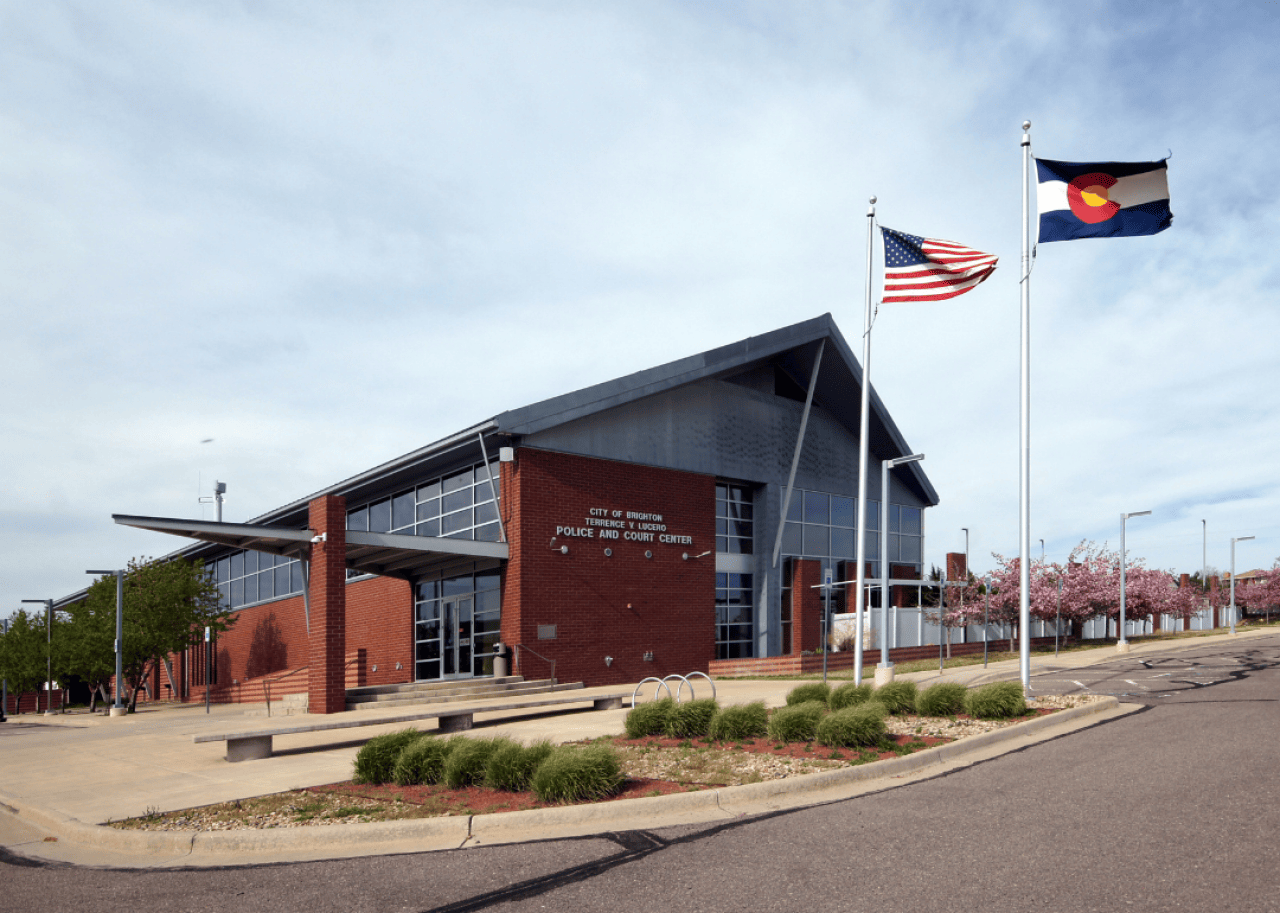
#35. Adams County
– Opioid dispensing rate: 28.0 per 100 people
— 25.3% lower than state average
— 35.3% lower than national average

Canva
#34. Summit County
– Opioid dispensing rate: 28.2 per 100 people
— 24.8% lower than state average
— 34.9% lower than national average

Canva
#33. Conejos County
– Opioid dispensing rate: 29.0 per 100 people
— 22.7% lower than state average
— 33.0% lower than national average

Canva
#32. Montezuma County
– Opioid dispensing rate: 29.8 per 100 people
— 20.5% lower than state average
— 31.2% lower than national average
Canva
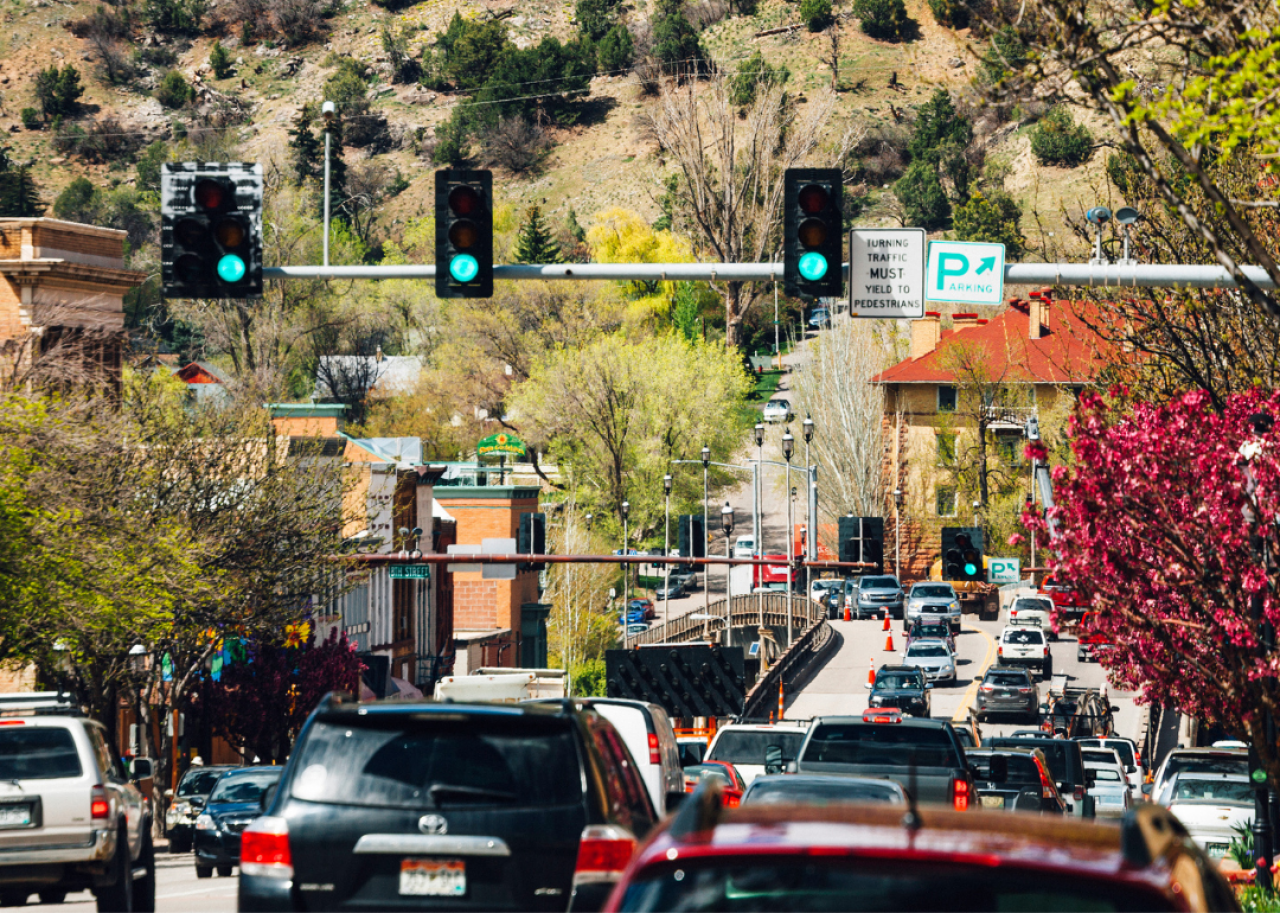
#31. Garfield County
– Opioid dispensing rate: 30.0 per 100 people
— 20.0% lower than state average
— 30.7% lower than national average

Bob Pool // Shutterstock
#30. Logan County
– Opioid dispensing rate: 30.2 per 100 people
— 19.5% lower than state average
— 30.3% lower than national average
Canva
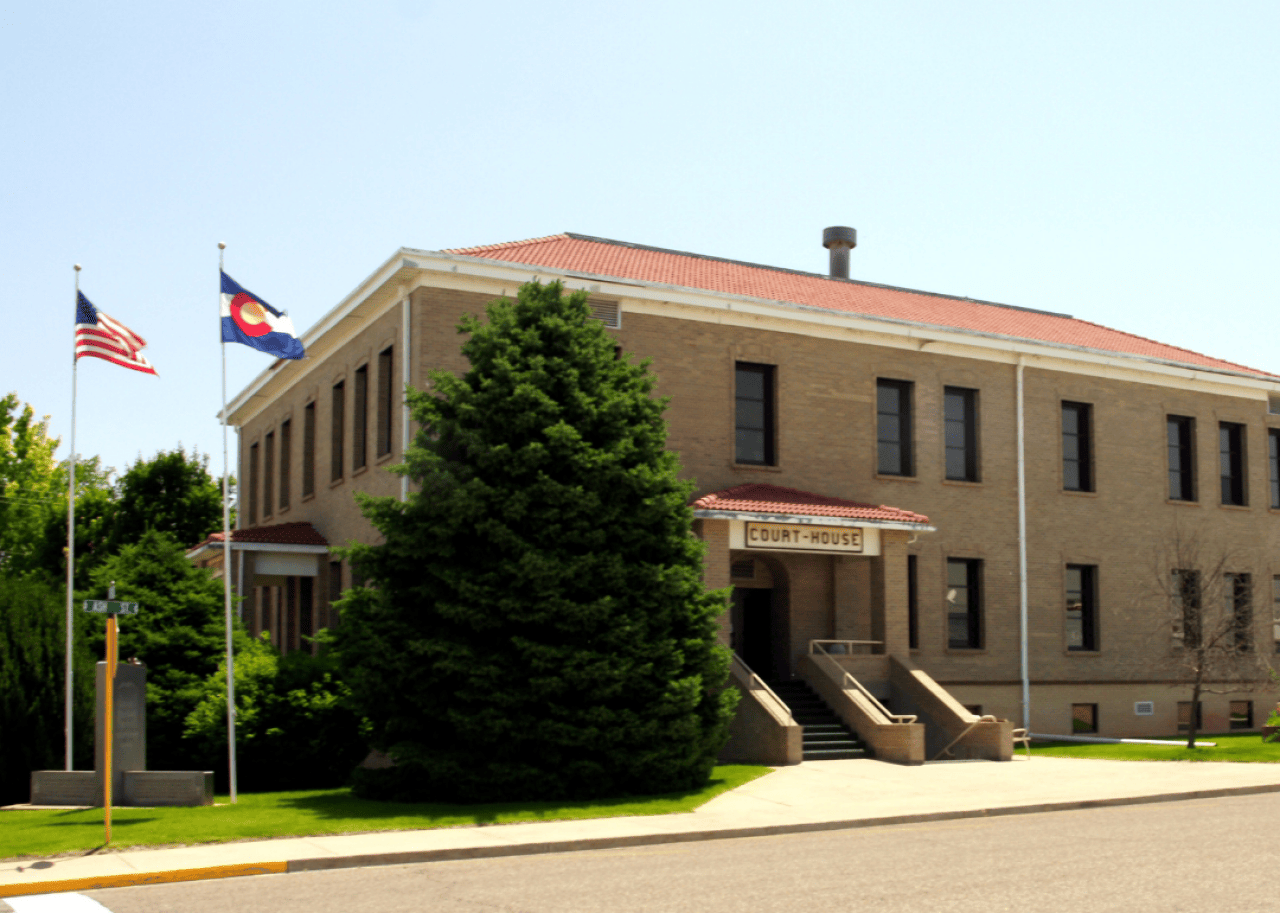
#29. Yuma County
– Opioid dispensing rate: 31.3 per 100 people
— 16.5% lower than state average
— 27.7% lower than national average
Canva
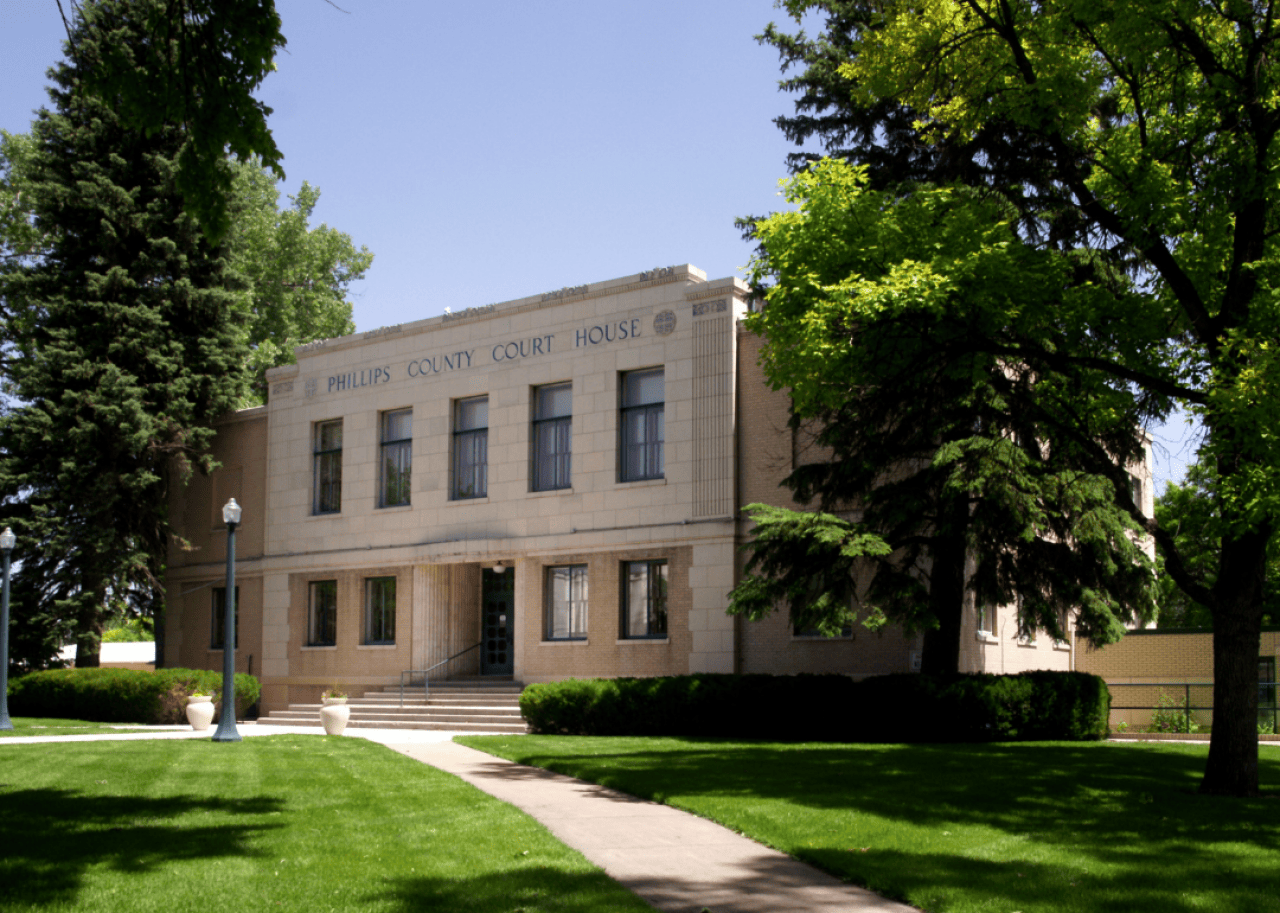
#28. Phillips County
– Opioid dispensing rate: 31.6 per 100 people
— 15.7% lower than state average
— 27.0% lower than national average
Canva
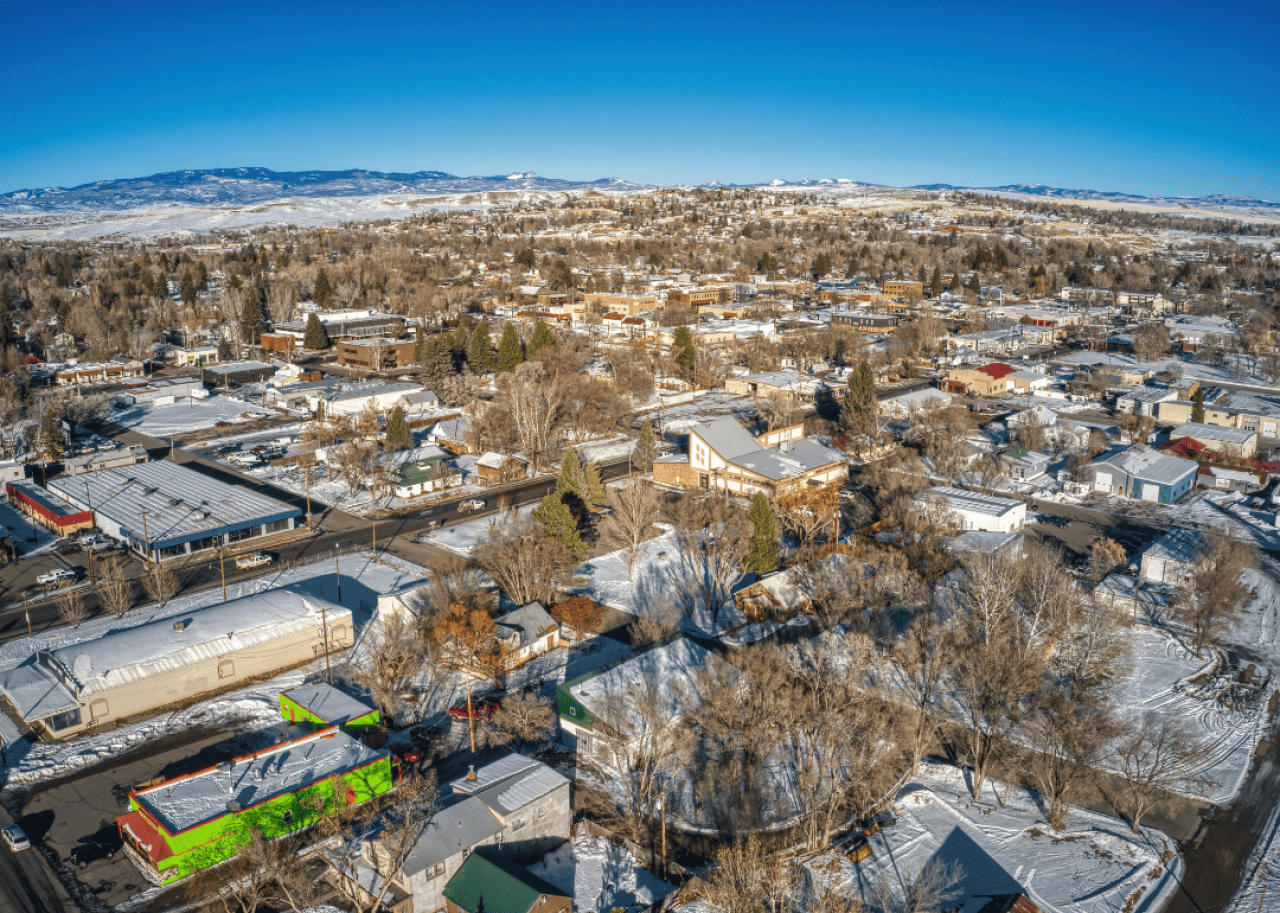
#27. Moffat County
– Opioid dispensing rate: 33.5 per 100 people
— 10.7% lower than state average
— 22.6% lower than national average

Canva
#26. Huerfano County
– Opioid dispensing rate: 33.8 per 100 people
— 9.9% lower than state average
— 21.9% lower than national average
Canva
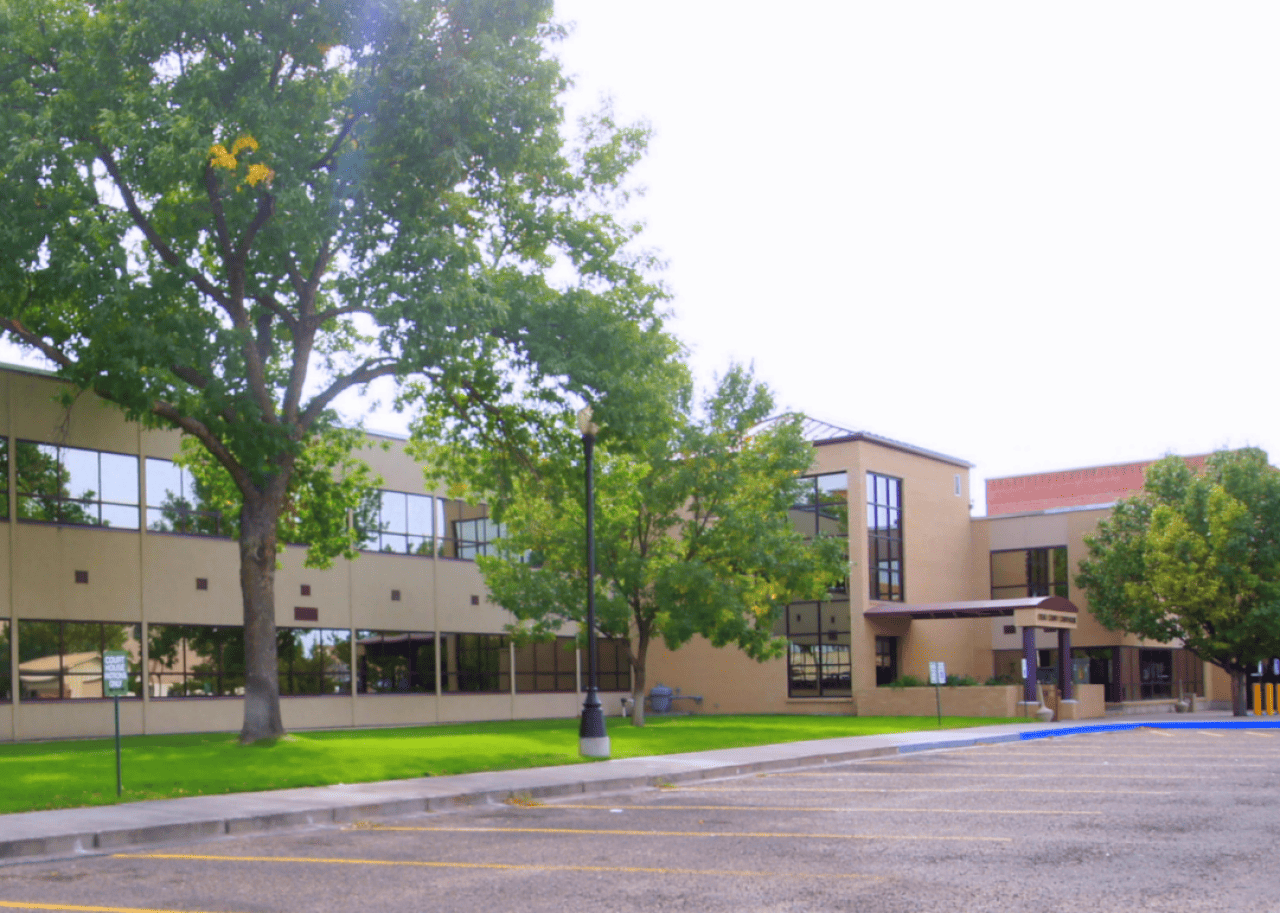
#25. Otero County
– Opioid dispensing rate: 34.2 per 100 people
— 8.8% lower than state average
— 21.0% lower than national average

Canva
#24. Alamosa County
– Opioid dispensing rate: 35.8 per 100 people
— 4.5% lower than state average
— 17.3% lower than national average

Canva
#23. Jefferson County
– Opioid dispensing rate: 35.9 per 100 people
— 4.3% lower than state average
— 17.1% lower than national average

Canva
#22. Chaffee County
– Opioid dispensing rate: 37.1 per 100 people
— 1.1% lower than state average
— 14.3% lower than national average

Canva
#21. Montrose County
– Opioid dispensing rate: 37.1 per 100 people
— 1.1% lower than state average
— 14.3% lower than national average

f11photo // Shutterstock
#20. Denver County
– Opioid dispensing rate: 37.1 per 100 people
— 1.1% lower than state average
— 14.3% lower than national average

Canva
#19. Archuleta County
– Opioid dispensing rate: 37.3 per 100 people
— 0.5% lower than state average
— 13.9% lower than national average
Canva
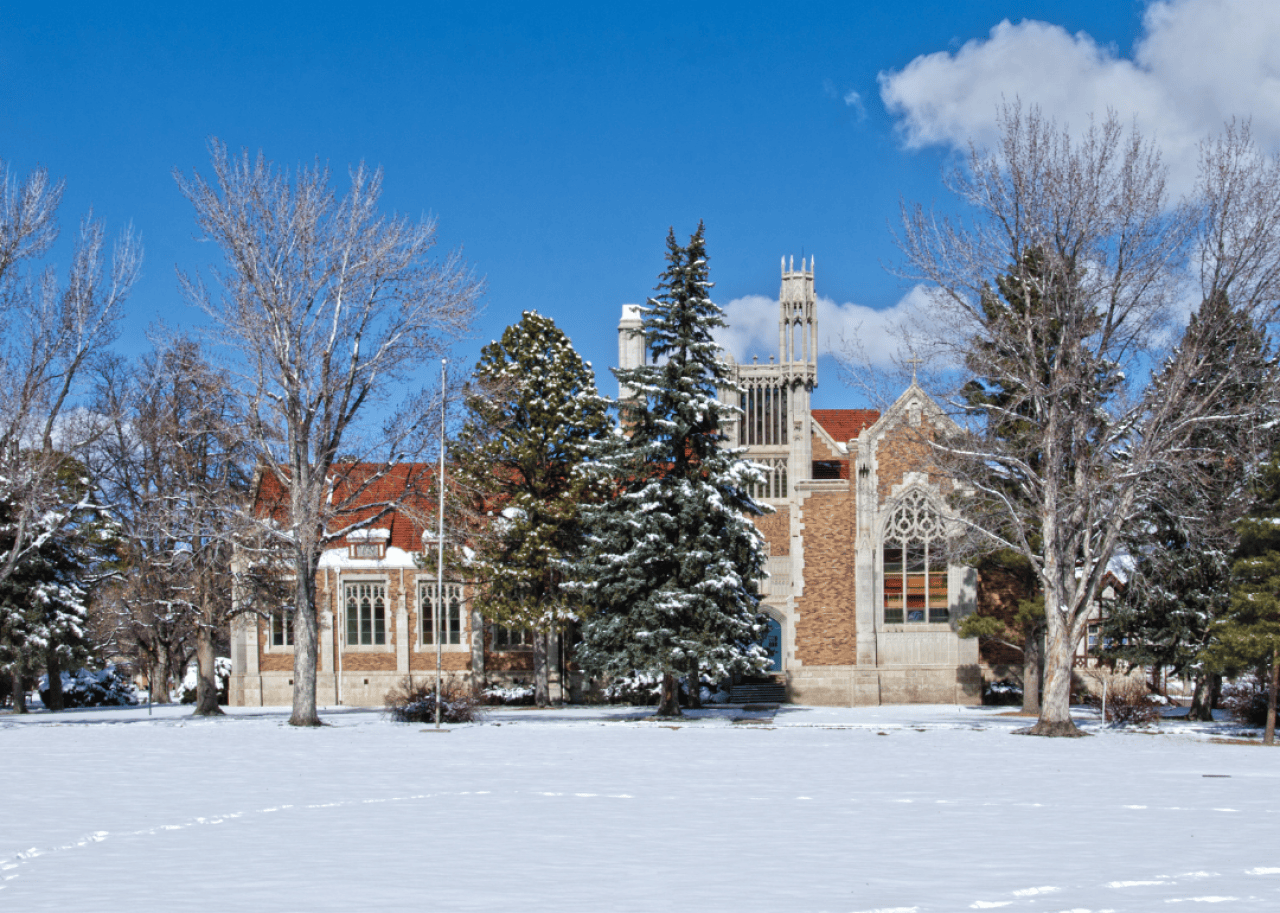
#18. Fremont County
– Opioid dispensing rate: 37.4 per 100 people
— 0.3% lower than state average
— 13.6% lower than national average

Canva
#17. Delta County
– Opioid dispensing rate: 37.6 per 100 people
— 0.3% higher than state average
— 13.2% lower than national average

Canva
#16. Routt County
– Opioid dispensing rate: 37.8 per 100 people
— 0.8% higher than state average
— 12.7% lower than national average
Canva
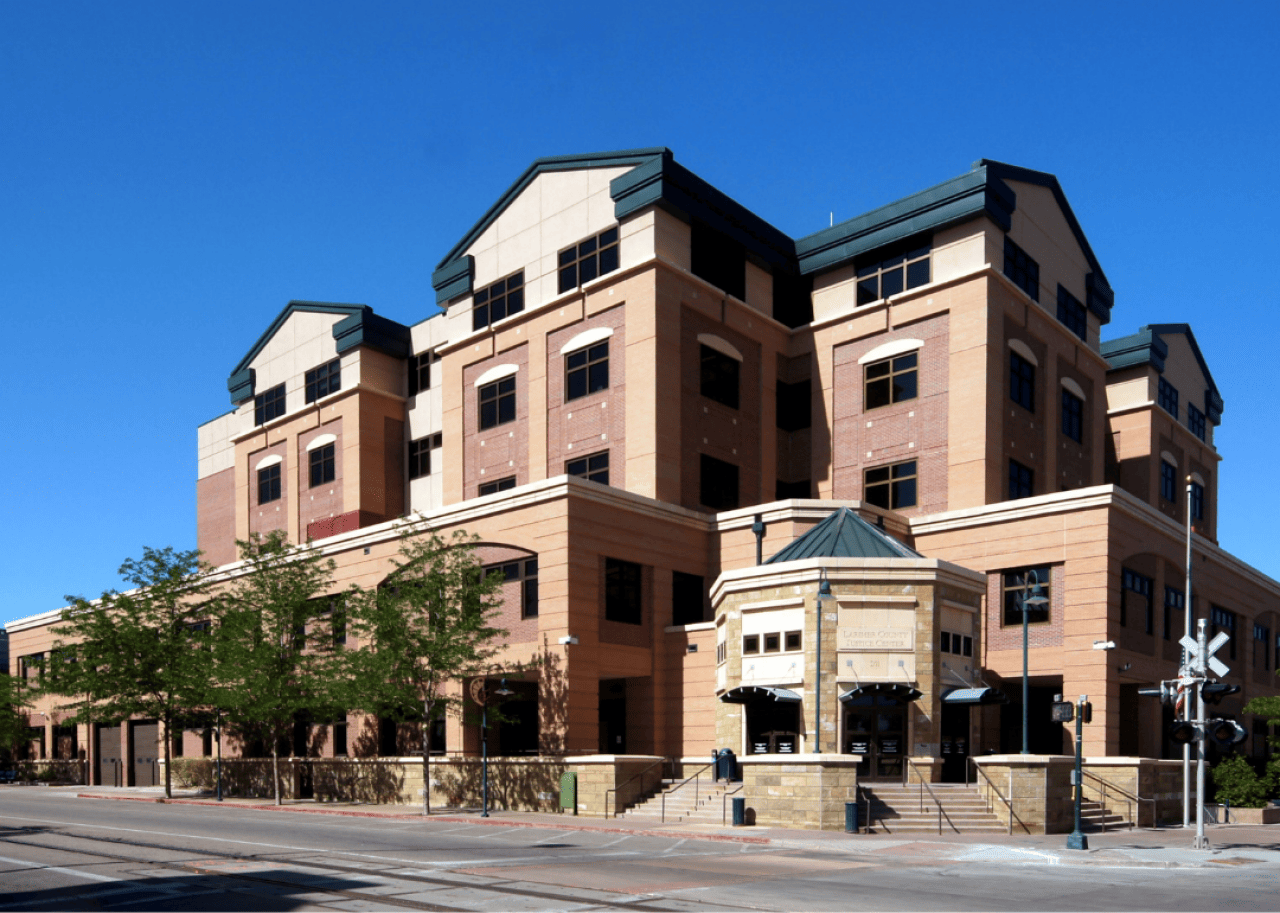
#15. Larimer County
– Opioid dispensing rate: 39.0 per 100 people
— 4.0% higher than state average
— 9.9% lower than national average
Maciej Bledowski // Shutterstock
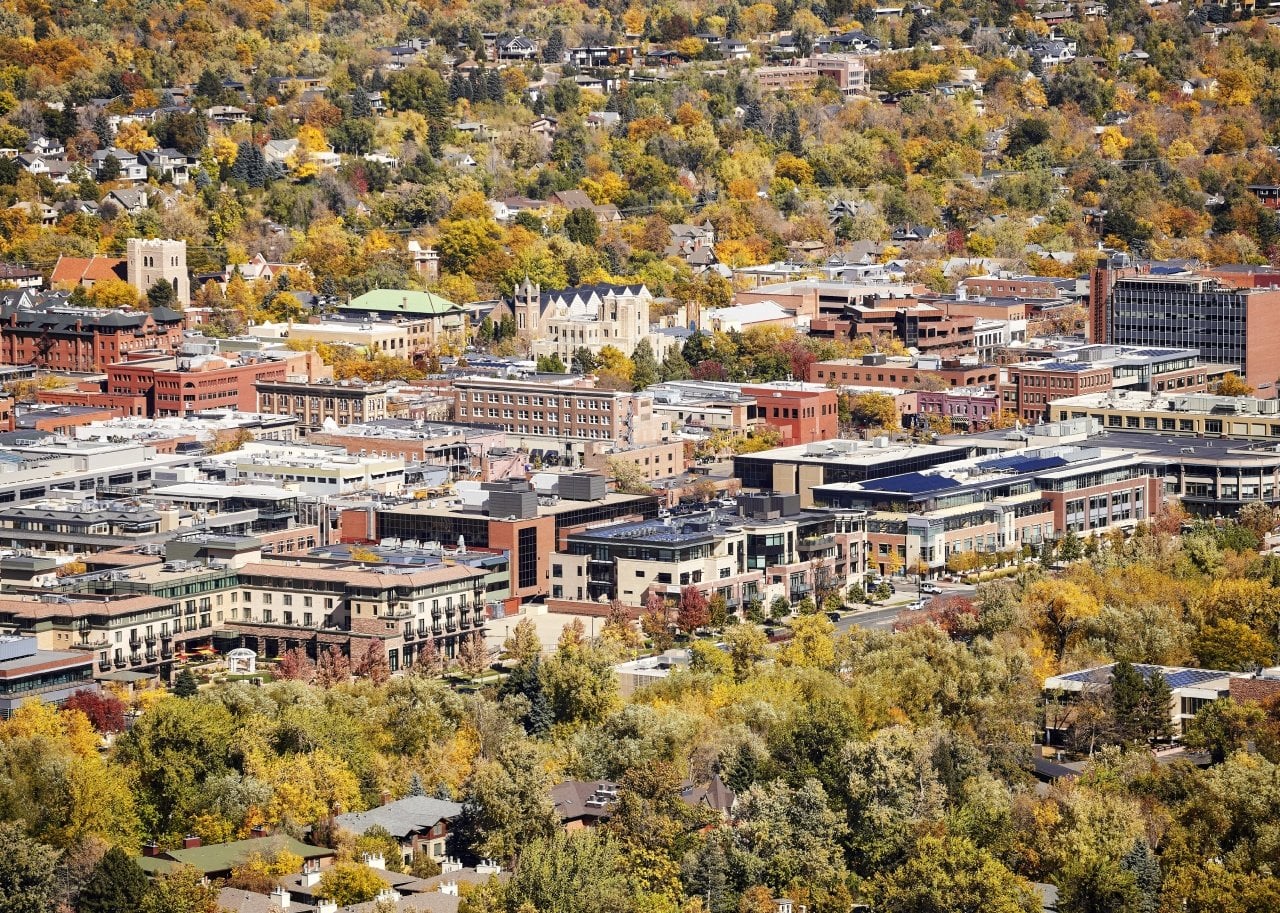
#14. Boulder County
– Opioid dispensing rate: 39.8 per 100 people
— 6.1% higher than state average
— 8.1% lower than national average

Canva
#13. Arapahoe County
– Opioid dispensing rate: 42.3 per 100 people
— 12.8% higher than state average
— 2.3% lower than national average
Canva
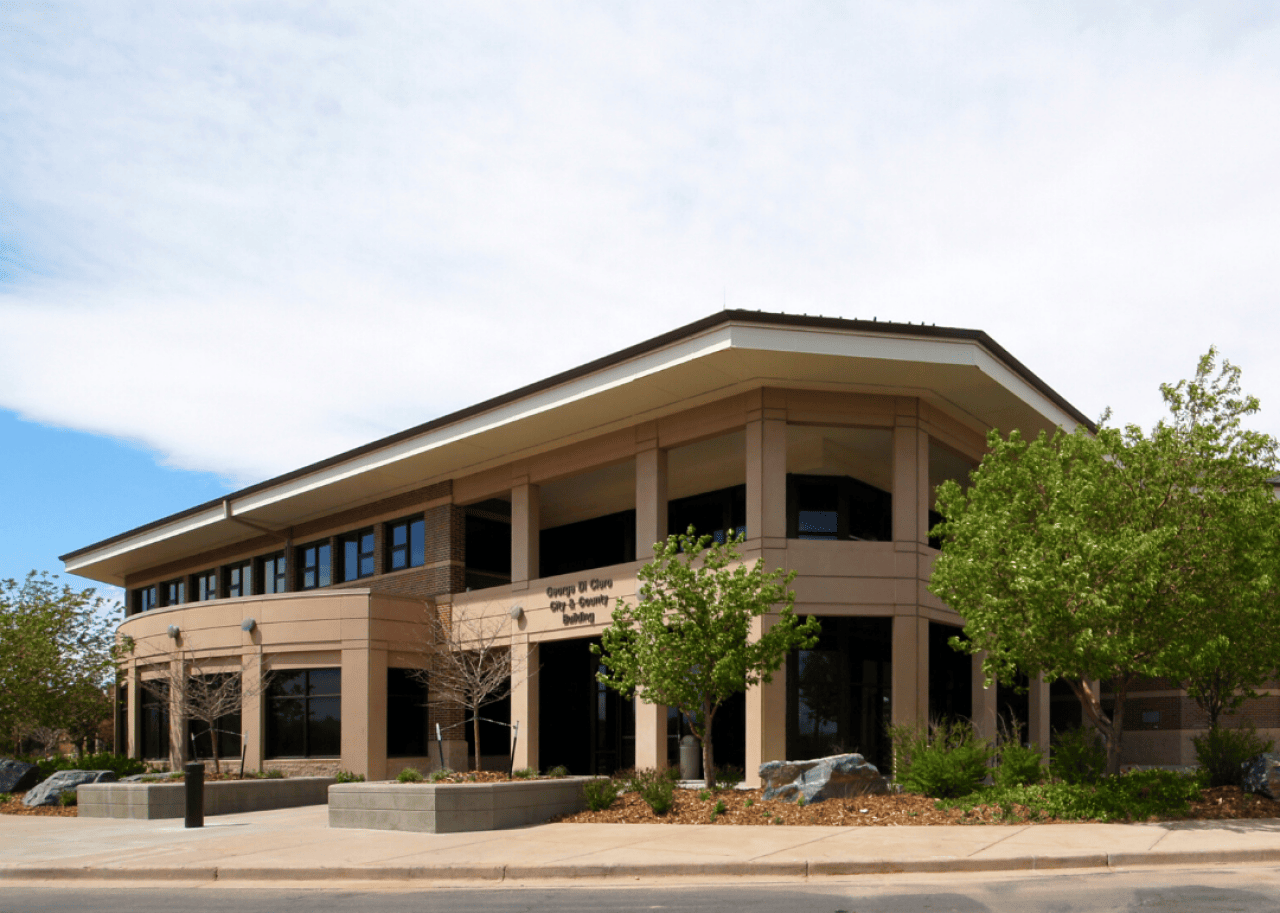
#12. Broomfield County
– Opioid dispensing rate: 43.9 per 100 people
— 17.1% higher than state average
— 1.4% higher than national average
Canva
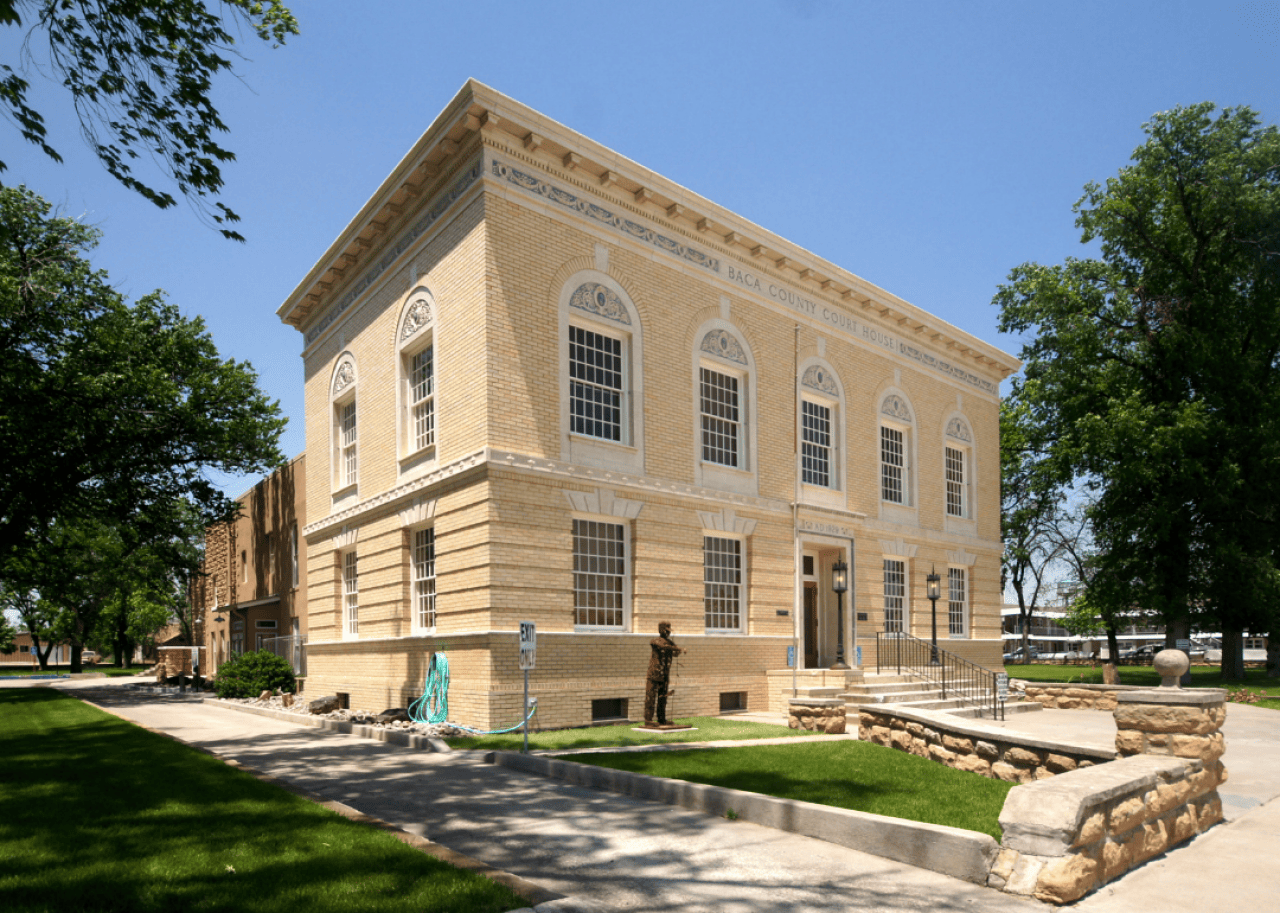
#11. Baca County
– Opioid dispensing rate: 45.2 per 100 people
— 20.5% higher than state average
— 4.4% higher than national average

Canva
#10. El Paso County
– Opioid dispensing rate: 47.5 per 100 people
— 26.7% higher than state average
— 9.7% higher than national average

Canva
#9. Eagle County
– Opioid dispensing rate: 47.8 per 100 people
— 27.5% higher than state average
— 10.4% higher than national average

Canva
#8. La Plata County
– Opioid dispensing rate: 48.8 per 100 people
— 30.1% higher than state average
— 12.7% higher than national average
Canva
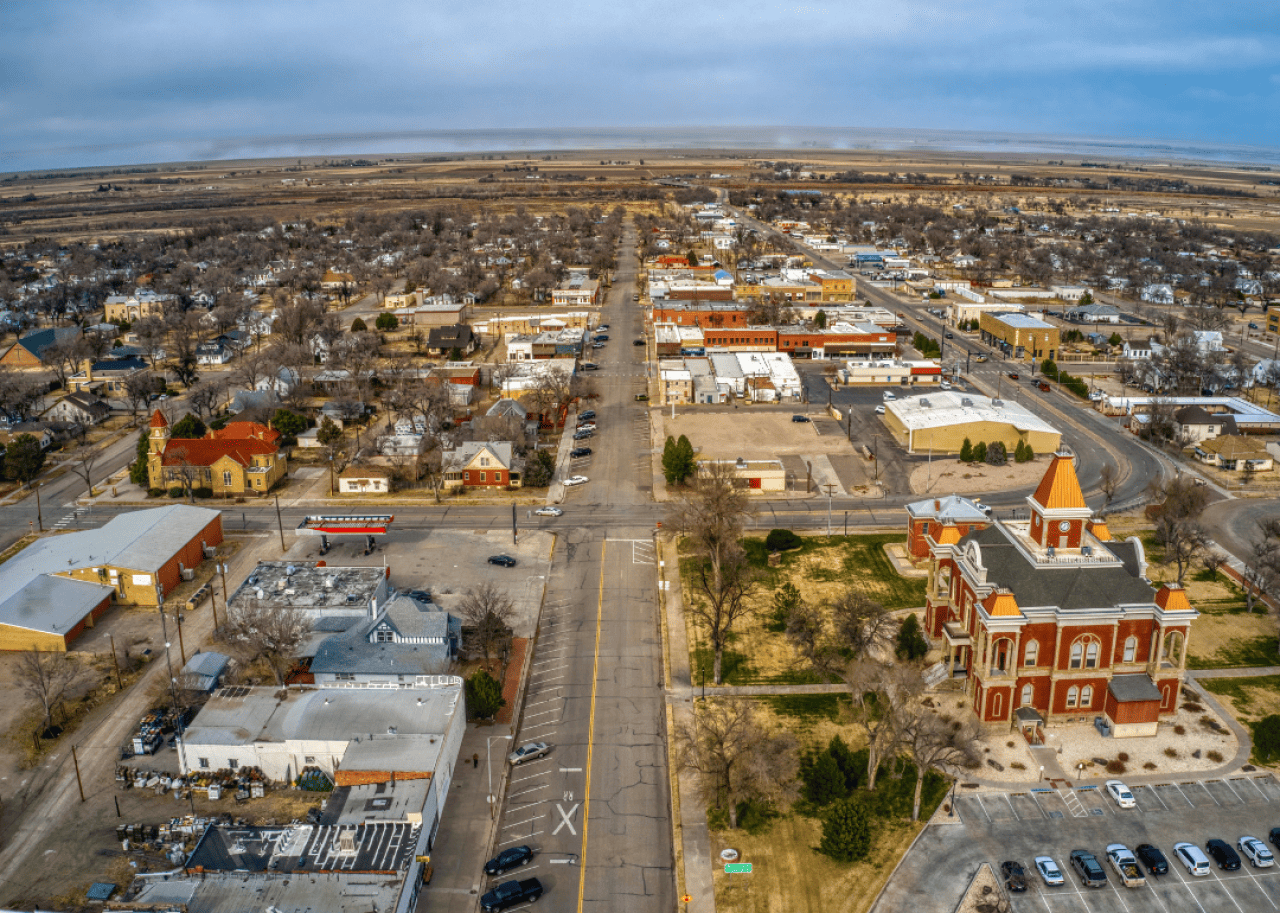
#7. Bent County
– Opioid dispensing rate: 50.7 per 100 people
— 35.2% higher than state average
— 17.1% higher than national average

Canva
#6. Mesa County
– Opioid dispensing rate: 52.9 per 100 people
— 41.1% higher than state average
— 22.2% higher than national average

Canva
#5. Rio Grande County
– Opioid dispensing rate: 62.3 per 100 people
— 66.1% higher than state average
— 43.9% higher than national average
Canva
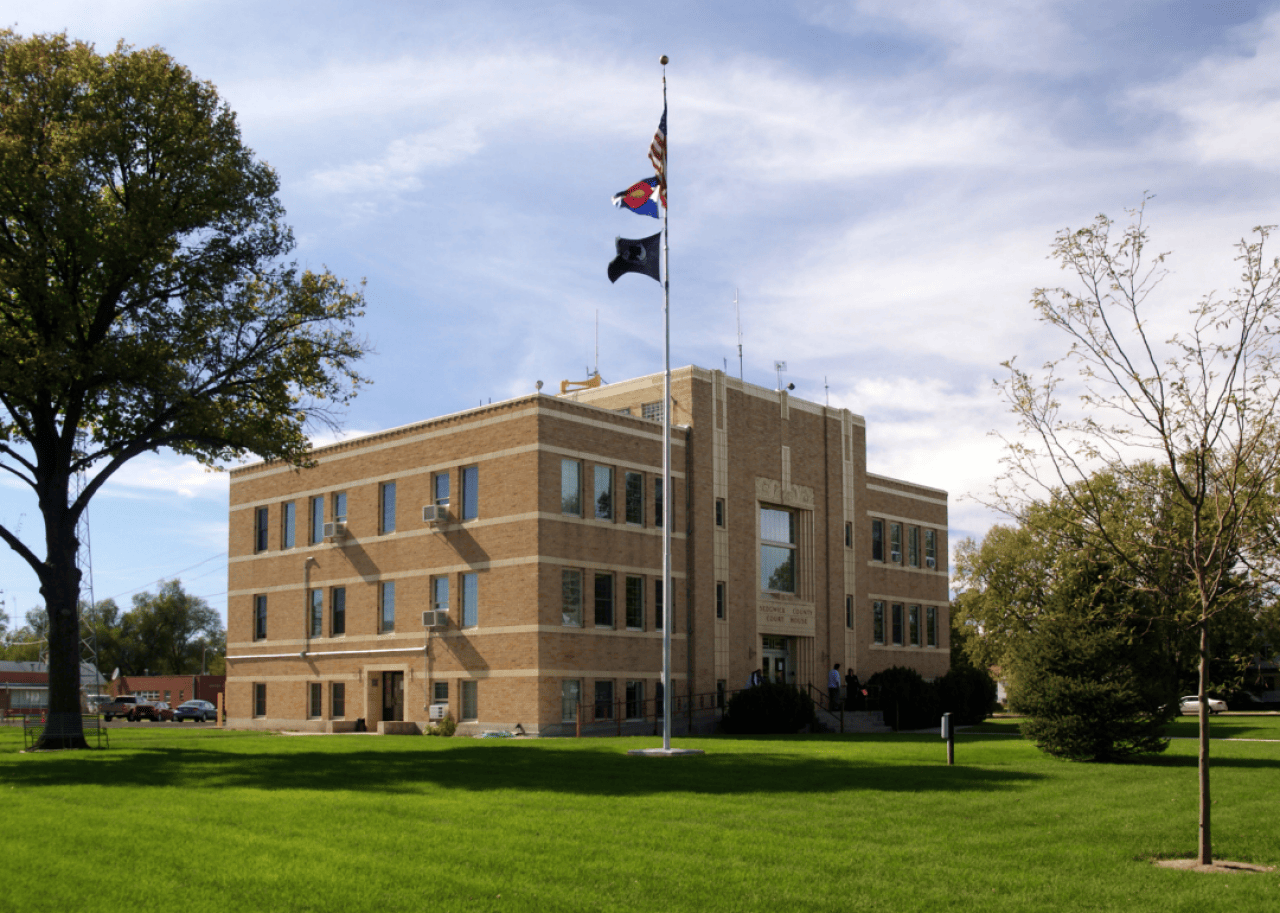
#4. Sedgwick County
– Opioid dispensing rate: 63.3 per 100 people
— 68.8% higher than state average
— 46.2% higher than national average

Canva
#3. Las Animas County
– Opioid dispensing rate: 66.0 per 100 people
— 76.0% higher than state average
— 52.4% higher than national average

Canva
#2. Pueblo County
– Opioid dispensing rate: 70.1 per 100 people
— 86.9% higher than state average
— 61.9% higher than national average

Canva
#1. Dolores County
– Opioid dispensing rate: 76.6 per 100 people
— 104.3% higher than state average
— 76.9% higher than national average


