Clean water project coming to residents in the Lower Arkansas Valley, eastern plains of southern Colorado

PUEBLO, Colo. (KRDO) -- Federal and local officials earlier this month approved a $600 million project to bring cleaner water to towns along the Arkansas River east of Pueblo.
The project, called the Arkansas Valley Conduit, is designed to resolve chemical and mineral contamination of local water supplies that participating communities have struggled with for decades.
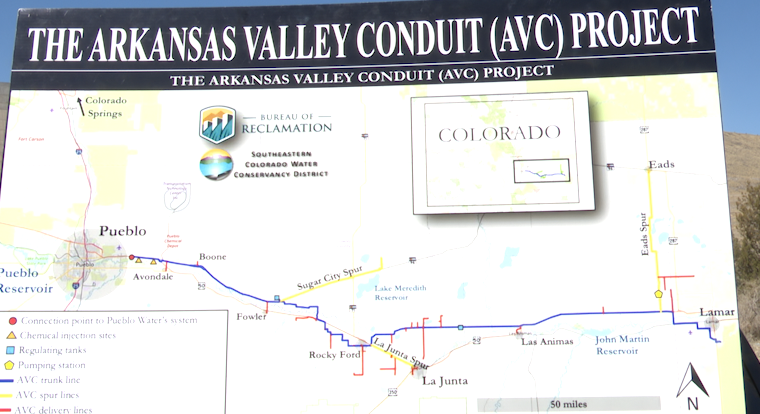
Two weeks ago, the 130-mile project was finalized by the U.S. Bureau of Reclamation, the Pueblo Water Board and the Southeastern Colorado Water Conservancy District, making funding available to start construction.
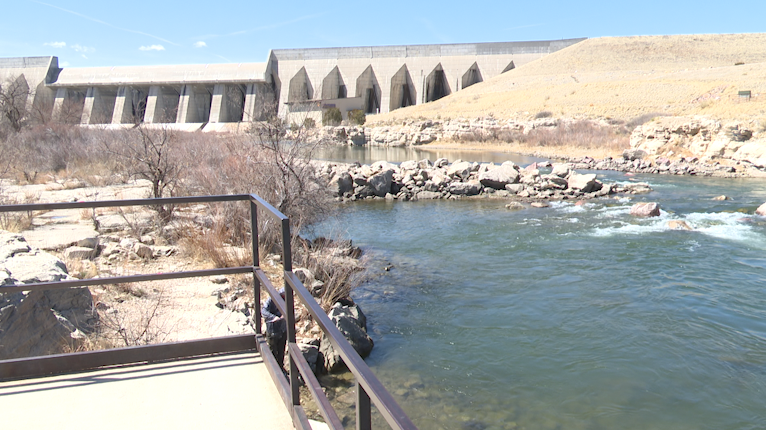
The conduit will transport water from the Pueblo Dam, be treated by the water board's system and connect the board's transmission line with the new line to start at the intersection of U.S. 50 and 36th Lane, near the Pueblo Airport.
Chris Woodka, of the SCWCD, said that the conduit will start near Avondale, just west of where the water board system ends, and connect through towns such as Boone, Fowler, Rocky Ford, La Junta, Las Animas and end in Lamar, near the Kansas state line.
"We call it the trunk line that will deliver water to 39 communities east of Pueblo, and the district is building the delivery lines for those communities," he said. "We're securing loans to help those communities pay for upgrading their infrastructure to connect to the pipeline and use that water."
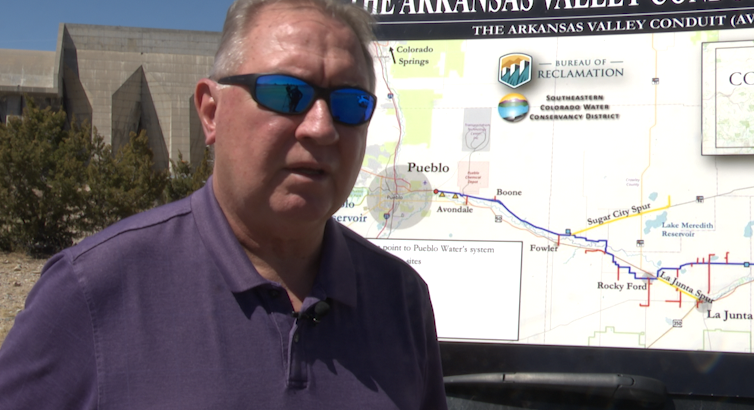
Woodka said that the project was kickstarted by the federal government agreeing to cover most of the cost.
"It'll create jobs, too," he said. "It's too soon to know how many yet. We'll have a better idea after construction starts."
The pipeline will transport water only for drinking purposes; agricultural water will continue to be transported through ditches, canals and other existing means.
Officials in La Junta said Thursday they they had no comment on the project because they haven't decided whether to be part of it.
But Destinye Villalobos, whose family owns a ranch north of the conduit's path, said that most people will welcome better water -- even if they have to pay slightly more to get it.
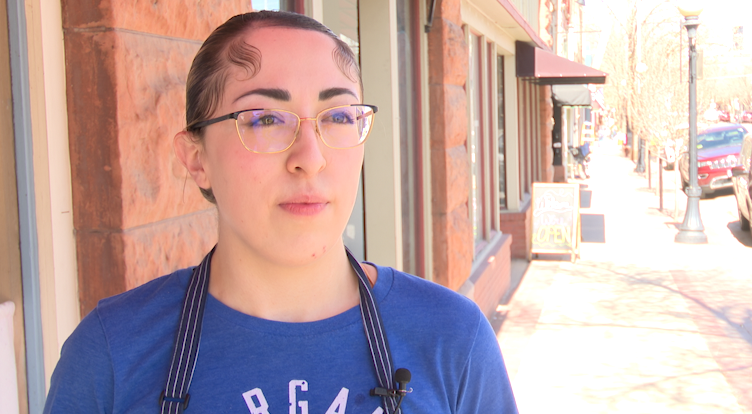
“The existing water tastes pretty hard, very mineral-y, you can really tell where it’s been," she said. "My dad has to bring a tank in the back of his truck every day to fill for water. So not having to do that, would be better for him. My grandparents live out there and work on the ranch. I'm not going to have them to drink the water that the cows drink."
Woodka said that although the project won't be completed until 2035, communities on the west end of the pipeline could begin receiving water by 2024.
