Expansion of 2016 ‘Sit-Lie’ ordinance proposed, discussed in Colorado Springs

COLORADO SPRINGS, Colo. -- The increase of development and growth around downtown has led police to request expanding the boundaries of the so-called Sit-Lie ordinance passed by the City Council six years ago.
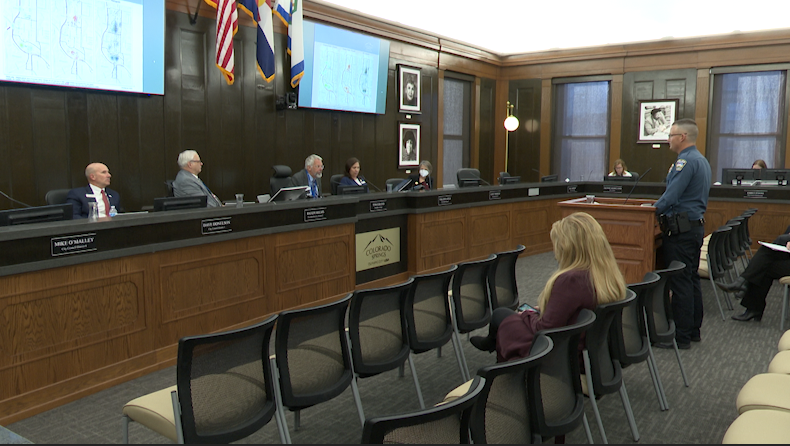
The Council, during its work session Monday, heard a presentation from police requesting to expand the boundaries of the ordinance, officially called the Pedestrian Access Act.
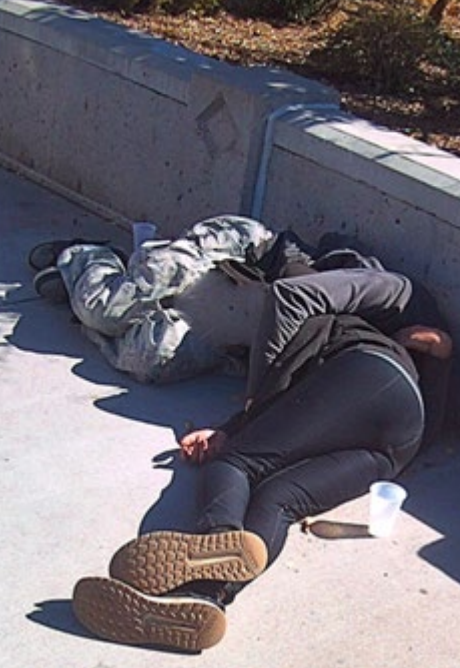
Currently, the ordinance prohibits sitting, kneeling, reclining and lying down on sidewalks, trails and other public right-of-ways during high traffic hours in limited areas of downtown and Old Colorado City.
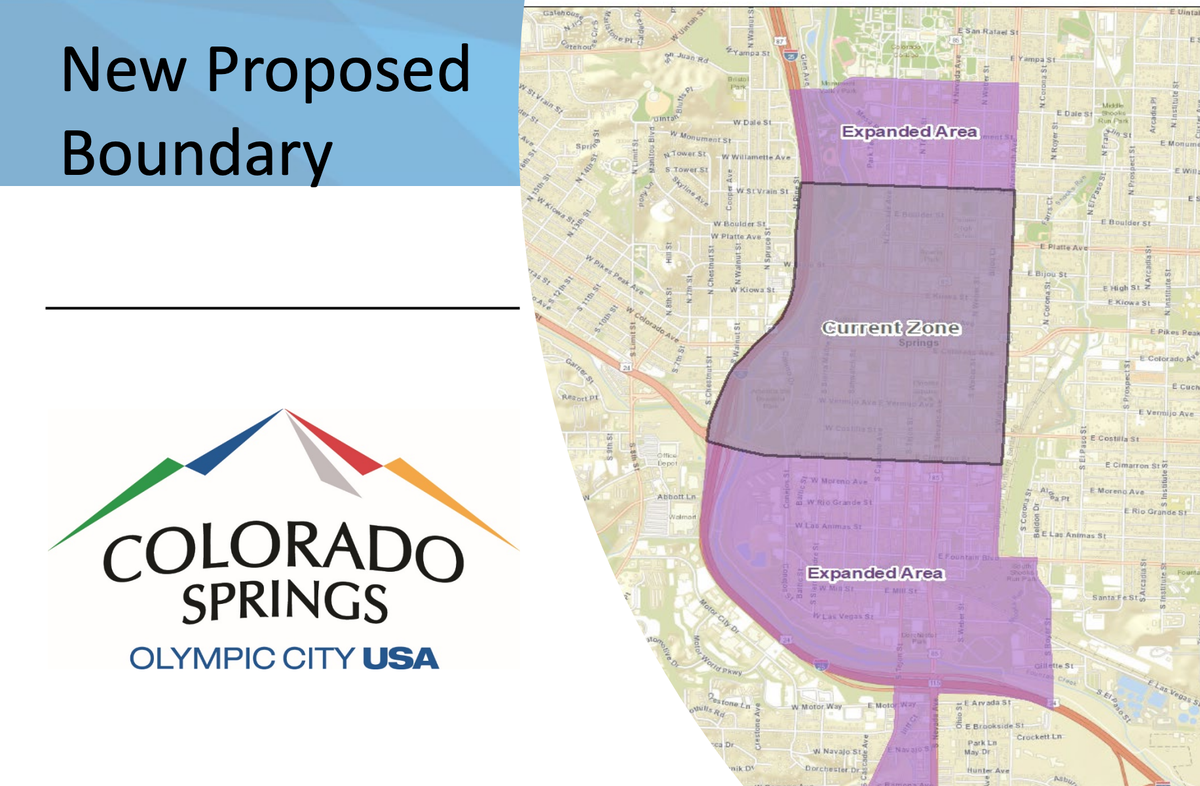
However, because of new and future development such as the Olympic & Paralympic Museum, a downtown high-rise project, Robson Arena, Weidner Field and the South Nevada Avenue urban renewal zone, police want the authority to enforce the ordinance in those areas.
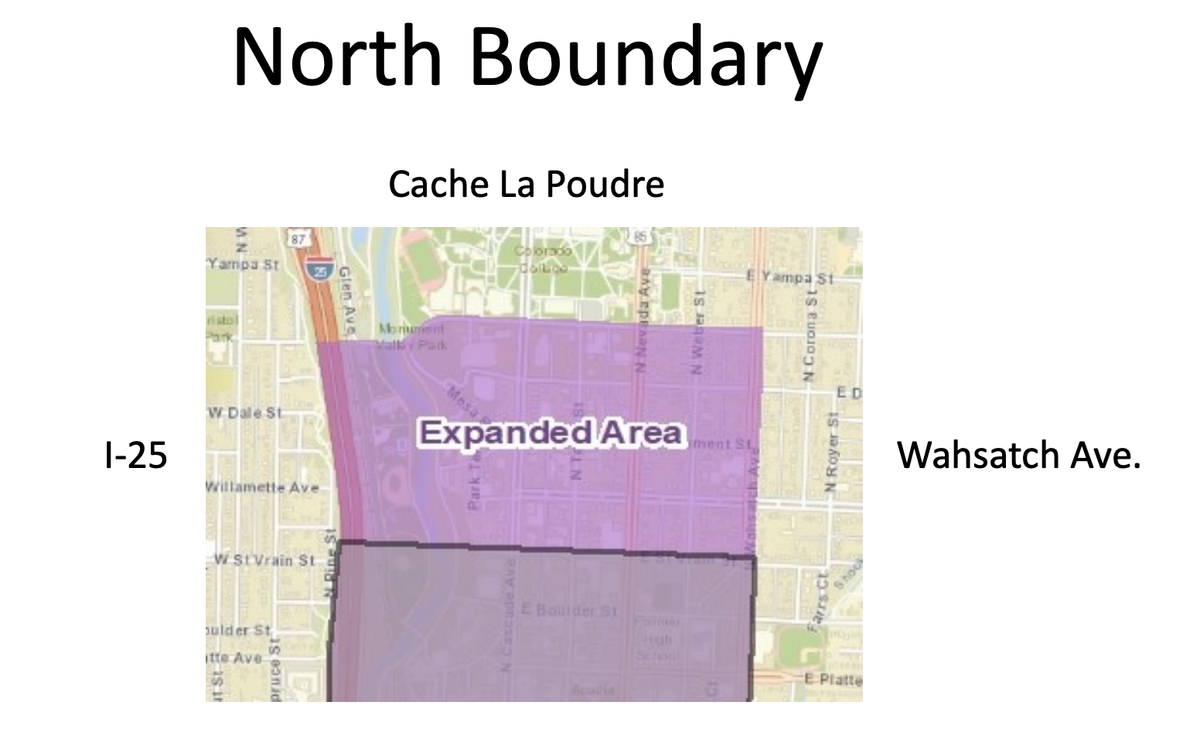
Police propose expanding the boundaries north to Cache La Poudre Steet (near the Colorado College campus) and south to Interstate 25 (to include South Nevada).
The high number of police responses and citizen calls for service in the current boundary and proposed expansion area is a primary source of concern for police; the department has only 21 officers dedicated to enforcement in those areas.
For example from October 2019 to September 2021, citizens reported nearly 2,500 disturbances within the current boundaries, and almost 2,200 cases of trespassing in progress.
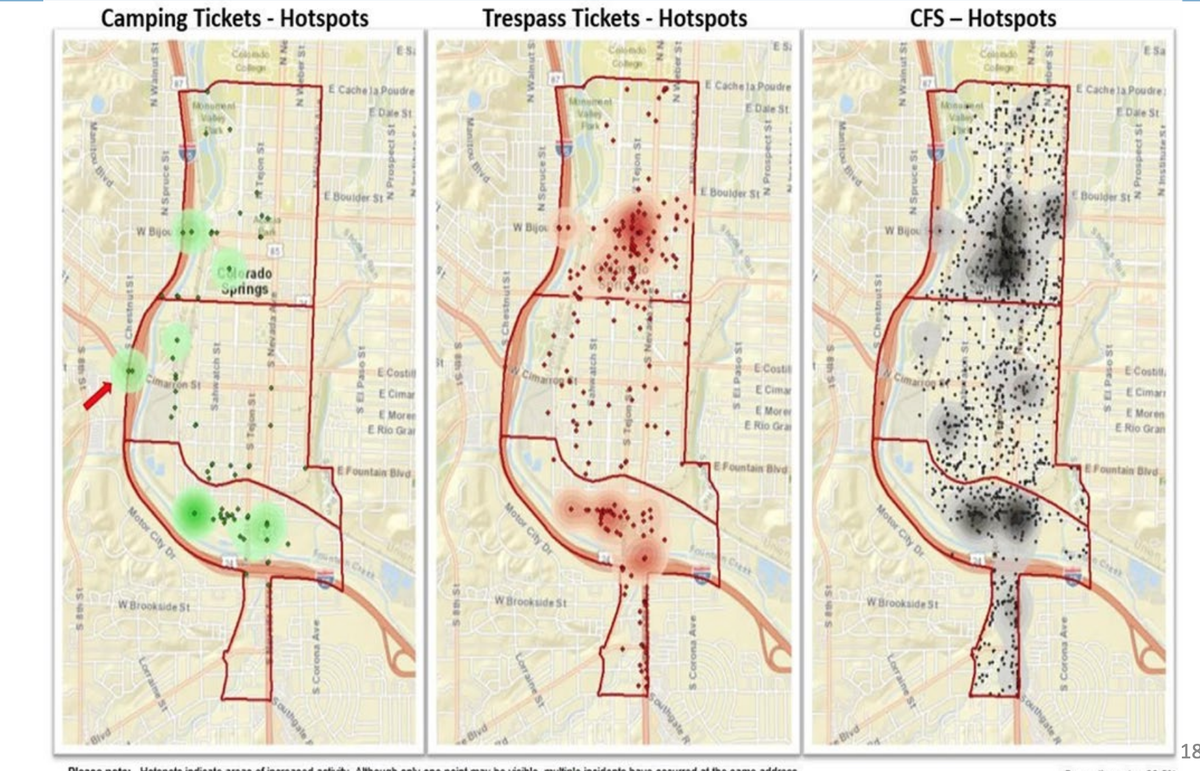
During the same period, the most common responses police made in that area were for more than 1,700 reports of suspicious persons.
"And it's unsafe for the people who are both engaging in that conduct," said police Commander John Koch. "It opens them up to being preyed on by other individuals, being hit by vehicles -- but it's also unsafe for business owners and residents who live in these areas."
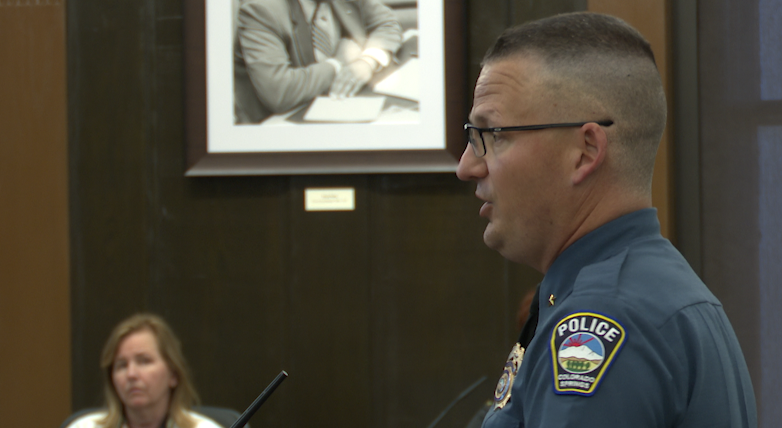
Police apparently had hoped that the Council would approve expanding the ordinance boundaries this month, but some Council members said that the proposal warrants further discussion.
Councilman Bill Murray said that he'd support the proposal if police can show they're able to better enforce ordinances across the city that address loitering, trespassing, illegal camping, disturbances and suspicious activity.
"I think that 21 officers in the downtown area clearly aren't enough," he said. "Be honest with us about what resources you need to conduct effective enforcement, and we'll do what we can to provide them. I don't want us to give you more resources and then hear you say that you wish you had more."
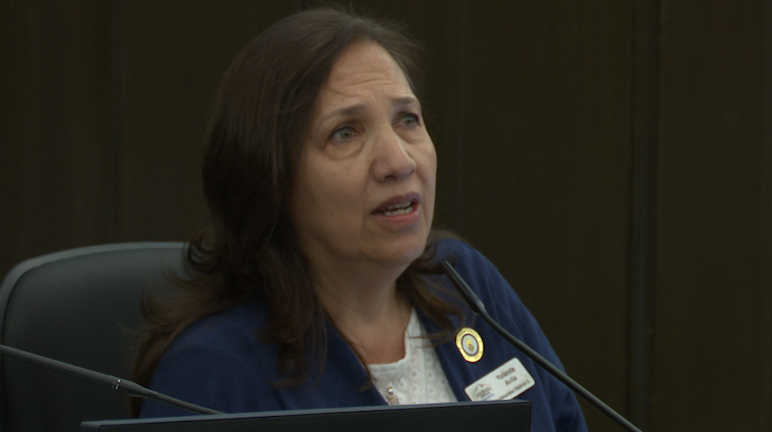
Councilwomen Yolanda Avila and Nancy Henjum suggested that increased enforcement may not be the only answer.
"Are we doing everything we can to help these people stay out of these situations?" Avila said. "Is there enough housing or shelters or treatment for them?"
Henjum added: "I know there are lots of efforts out there and people are doing a lot, but we can always do more."
While some downtown developers and organizations support the proposed boundary expansion, others said that it doesn't go far enough and should extend a few blocks farther east of the Wahsatch Avenue boundary.
Specifically, the Colorado Springs Downtown Partnership mentioned several new apartment complexes that have opened or are being built on the east side of downtown.

That, along with commercial development, will increase pedestrian traffic in the area, the Partnership said in a letter to the city -- which could lead to more confrontations between ordinance violators, citizens and police.
Andy Merritt works for the O'Neil Group Company, a high-tech firm located in the Catalyst Campus just outside of the current boundary at the east end of Colorado Avenue.
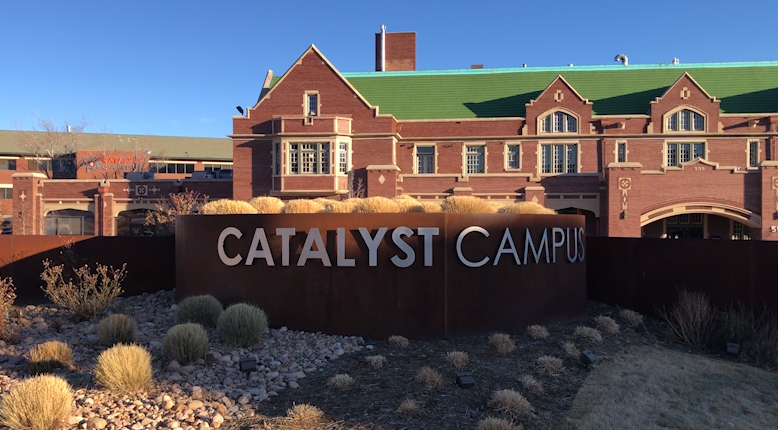
"My concern is are we just forcing the problems to move somewhere else, like into surrounding neighborhoods?" he said. "Or are we really solving the problem? But even with private security, we've had people break windows and we've had some trespassing."
The American Civil Liberties Union strongly opposed the ordinance when it was being drafted, discussed and approved.
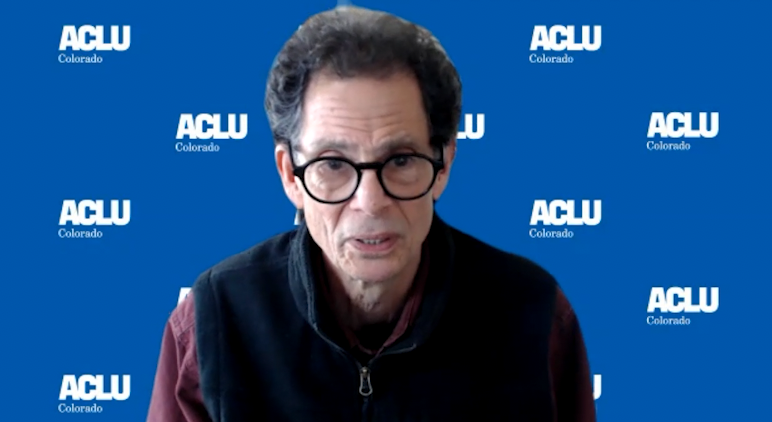
"I'm not happy to hear that it could be expanded," said Mark Silverstein, the organization's legal director. "You can't ban people from sitting or lying in a public place just because they're the kind of people you don't like or don't approve of. If I was on the (Colorado Springs) City Council, I'd want to know how many people have been cited, fined or jailed for violating the ordinance."
