Tick season in Colorado is here: Here are tips on how to prevent bites and avoid diseases
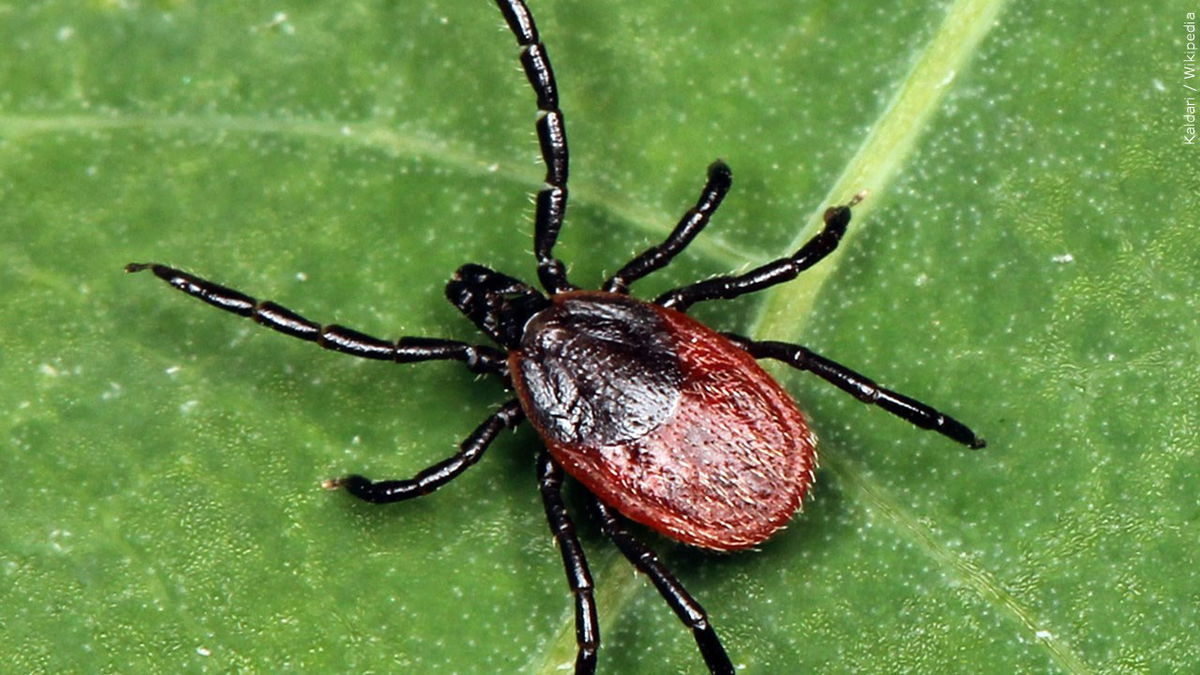

COLORADO SPRINGS, Colo. (KRDO) -- There are about 30 different species of ticks in Colorado, with tick activity peaking in spring and early summer, according to UCHealth.
“Ticks can carry multiple different infection-causing agents: bacterial, viral, parasites,” said Dr. Phaedra Fegley, a family medicine physician in Steamboat Springs and member of the medical staff at UCHealth. “Within minutes of biting you, they’ve released their saliva and whatever it’s carrying.”
UCHealth states that the most common in-state ticks are the Rocky Mountain wood tick and the American dog tick, noting that ticks can survive at elevations of up to about 10,000 feet.
UCHealth provides these tips for preventing tick bites and tick-borne diseases:
- Wear tall socks or tuck your pants into them, and choose lighter-colored clothing so dark ticks stand out.
- Cover your body. Wear a hat and dress in long sleeves and long pants. (You can dress in layers and wear loose clothing so you don’t get too hot on a vigorous hike.)
- Consider wearing clothes that are treated with permethrin or DEET to repel ticks.
- Use bug repellants, including those with DEET or essential oils such as oil of lemon eucalyptus.
- Always check yourself for ticks after being outdoors.
“As soon as you’re home, throw your clothes in the dryer on high heat for 20 minutes to dislodge or kill any ticks,” Fegley told UCHealth. “Shower and do a tick check, starting with your scalp and working your way down to check all the crevices of the body.”
According to UCHealth, ticks can sense body heat, carbon dioxide, body odor, and vibrations, which is why they stay on top of plants or grass so they can easily latch onto those who pass by.
Here at the key tips from Fegley and experts at Colorado State University provided by UCHealth for removing a tick:
- If possible, use tweezers and pull the tick straight up. “Be careful not to squeeze the body or crush the head, as you can squirt more of its saliva into your body,” Fegley said.
- If you’re out in nature and you don’t have tweezers, try using your fingernails. If possible, cover your fingers with a tissue, a small piece of plastic, or a sanitary wipe to prevent self-infection.
- Grasp the tick as close to your body as possible, then pull it straight out quickly. You want to be sure to pull out the tick’s full body, including the head. This can be tricky because ticks dig their heads into our bodies to feed. They also clamp their feet onto their hosts.
When removing a tick, do not, according to UCHealth:
- Squeeze, crush, or twist the tick.
- Use substances like petroleum jelly, nail polish, alcohol, or shampoo. These methods can be too slow or can make the area slippery, which can make it harder to pull the full tick’s body out of your body. The key to removing a tick is to remove the entire tick from your body as quickly as possible.
- Use a flame. It’s true that a tick bite can make you sick, so you want to get it out. But you don’t want to burn yourself. So, do not hold a match or lighter close to your skin to try to remove a tick.
Health professional Fegley told UCHealth that ticks shouldn't keep you from enjoying the outdoors. “But if someone says, ‘I’ve been out hiking in the woods and three to 10 days later, I came down with this horrible illness,’ it’s worth seeing your medical provider and getting tested,” Fegley said.
Stay up to date with the latest local news, sports, and investigations by downloading the KRDO13 app. Click here to download it from the Apple App Store. Android users can download it from Google Play here.
